Updated October 10, 2026
The nine ways to reduce customer support costs in 2026 fall into three groups: remove the contact before it happens, complete it without a person, and make the person faster when one is needed. Most teams start with the third and get the smallest result. The list is ordered by saving.
Key takeaways
The cheapest support contact is the one that never happens; the top three ways below are prevention, not automation.
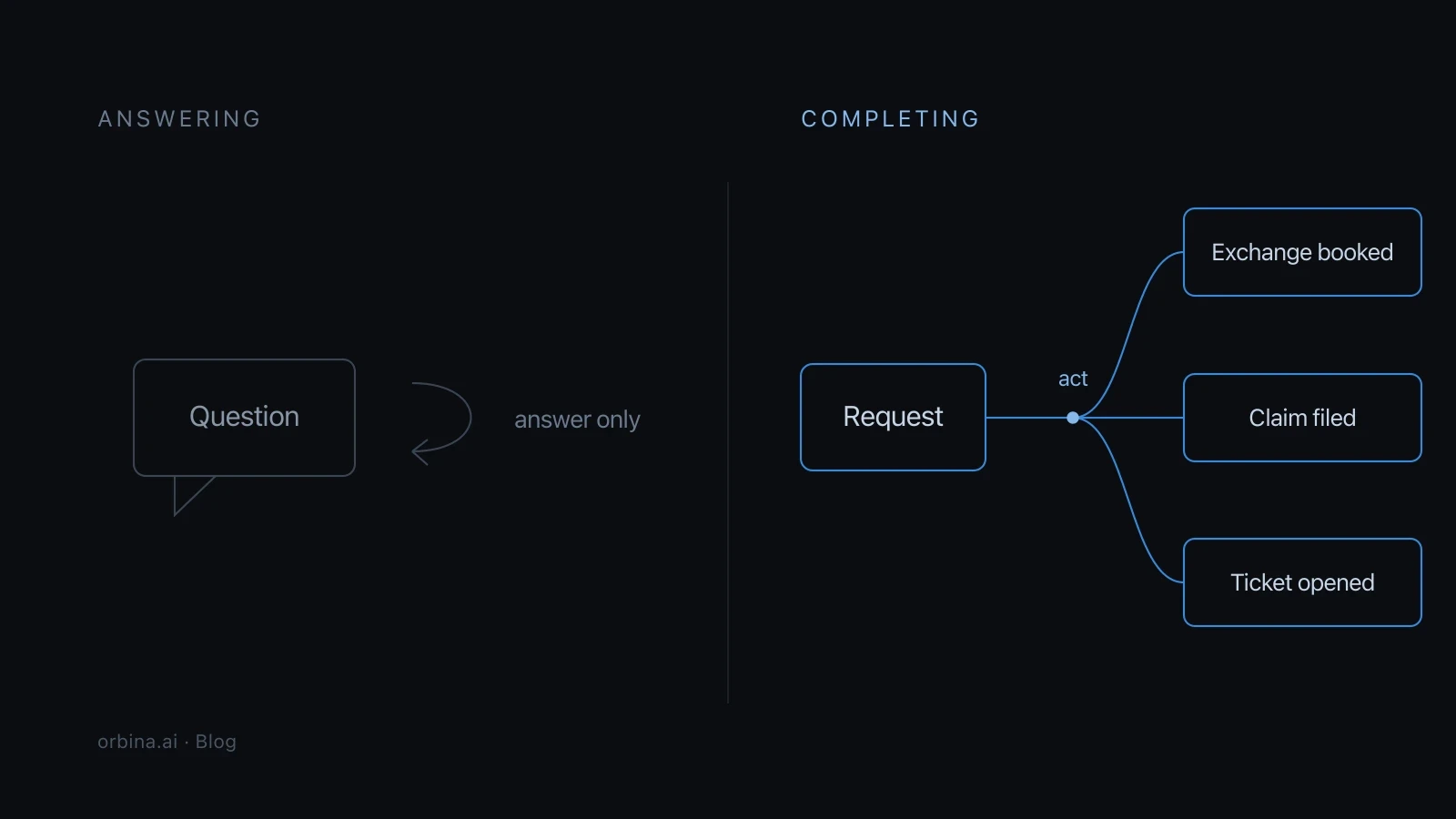
Automating an answer saves minutes; automating the transaction behind it (the return, the address change, the claim) saves the whole contact.
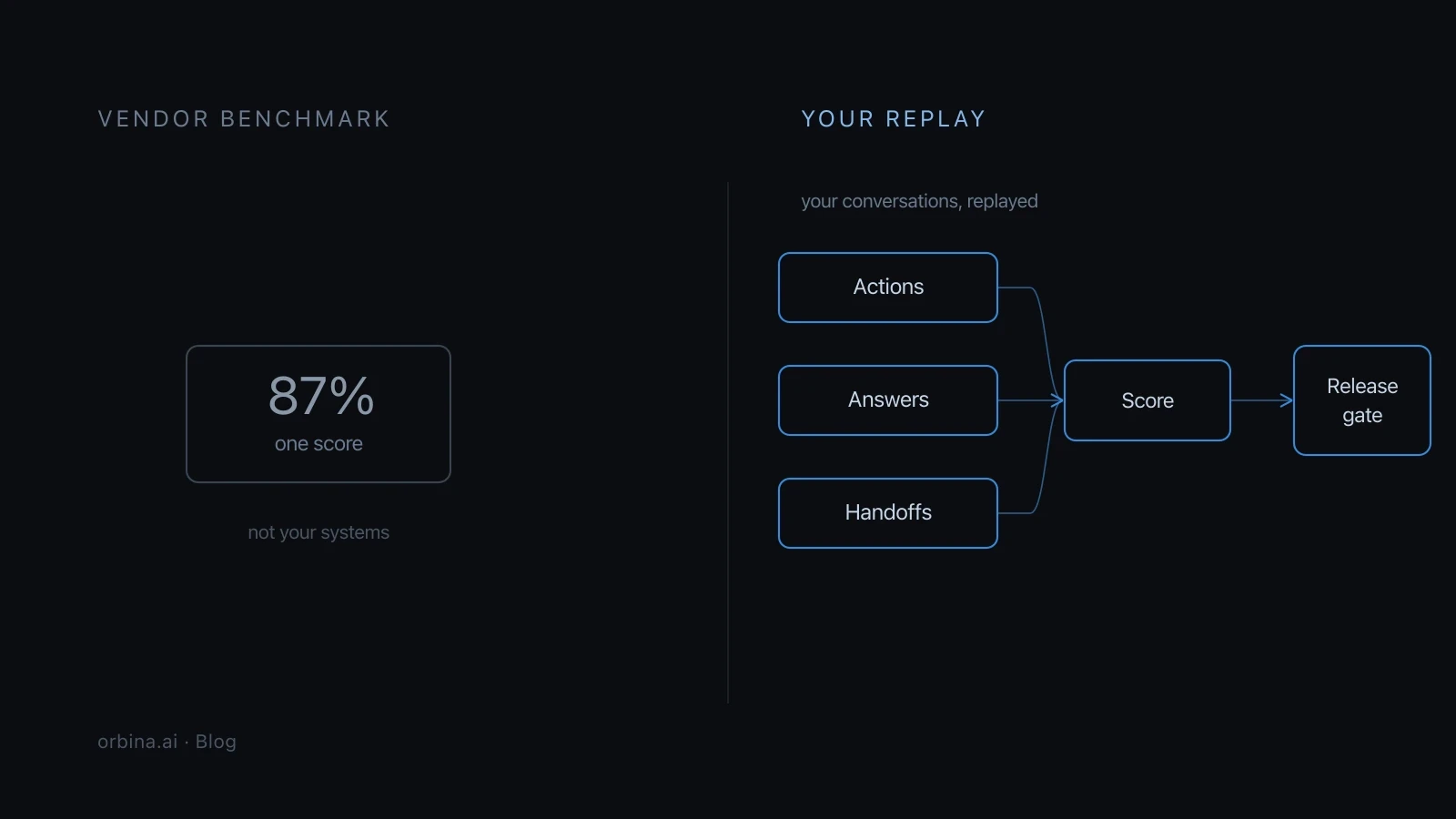
Measure the saving in completed transactions per human hour, not in deflection rate, or the number will improve while the cost does not.
Peak-season spikes are the most expensive contacts of the year; four of the nine ways are specifically about them.
One retailer scoped to a single workflow (returns) moved faster and saved more than teams that scoped to "customer service".
1. Fix the top five contact reasons at the source
The cheapest contact is the one that never arrives, and the top five reasons for contact in any support operation are usually fixable outside support. Pull last quarter's tags: if "where is my order" is 30% of volume, the saving is a proactive shipping message, not a faster agent.
Run the exercise quarterly. Assign each of the five to an owner outside support (logistics, product, billing) with a target contact-per-order number, and report it alongside the support budget. Support leaders who own this list find that the budget conversation changes from "how many agents" to "how many contacts should exist at all".
2. Answer before the customer asks: proactive status updates
Order status, delivery windows, claim progress and appointment reminders are the questions customers ask when they are not told first. A message at each state change, on the channel the customer used to buy, removes the contact and the anxiety at once. WhatsApp and SMS outperform email for this in Turkey and most of Europe.
The rule is one message per state change and a link back into the app or portal, never a link to a form. If the message invites a reply, route the reply to the agent that can act on it (point 4), or you have moved the contact rather than removed it.
3. Resolve fit and policy doubts before checkout
In fashion and consumer retail, a large share of returns and post-purchase contacts come from doubts the customer had before they ordered: size, fit, material, compatibility, return window. An assistant that answers those on the product page, from the catalogue and the policy, prevents both the return and the contact that comes with it.
This is where AI has the highest return per conversation, because a prevented return saves shipping twice, restocking, and the support contact. A fashion retailer running product questions and returns on the same agent sees the second flow shrink as the first one improves; the two should be reported together.
4. Automate the transaction, not just the answer
The largest single saving inside support is letting the customer complete the request without a person: change the address, book the exchange, reissue the invoice, file the first notice of a claim. An agent that only answers saves the reading time; an agent that acts saves the contact.
The distinction decides the purchase. A knowledge chatbot resolves "what is your return window"; a transacting agent resolves "return this item". Measure the second kind as completed transactions in your order or policy system, and price any vendor on that unit. A Turkish mobility operator has its agent handling 80% of support volume this way, with the evidence in its own ticketing system.
Contact type | Answer-only automation saves | Transaction automation saves |
Order status | Reading time | The contact, if status is pushed proactively |
Address change | Nothing (needs a human) | The whole contact |
Return / exchange | Policy explanation | The contact plus return shipping if prevented |
Invoice reissue | Nothing | The whole contact |
Claim intake | Form explanation | The intake and the follow-up call |
Caption: The right-hand column is where the budget moves. The left-hand column is where most pilots stop.
5. Design the handoff so it happens once
Every contact that reaches a person after touching the AI costs more than either alone, because the customer repeats themselves and the agent re-reads. Two rules cut this cost: the handoff carries the full context and the reason (agent couldn't, policy required a person, customer asked), and the person receives the case in the same tool they already work in.
Then read the handoff reasons monthly. Only "agent couldn't" is improvable by the AI; "policy required" is a decision for you, and "customer asked" is a design signal. Teams that fix the first bucket and revisit the second find handoff rates fall without touching the model.
6. Move volume to the channel that costs least to complete
Voice is the most expensive channel per contact and the hardest to automate well; chat and messaging are the cheapest and the easiest. The saving is not in closing the phone line but in making the messaging path complete the transaction, so customers choose it. A "call the driver" or "reschedule" button that works inside the app beats a call-centre number every time.
Publish the completion rate per channel internally. Where messaging completes what voice completes, shift the entry points; where it doesn't, fix the messaging flow before promoting it.
7. Plan capacity for the spike, not the average
Peak season contacts cost the most because they are staffed with overtime, temporary agents and long queues. The forecast should be built from last year's contacts per order at each week of the peak, not from average volume, and the automation should be tested against last year's peak conversations before this year's begins.
Automation is the only capacity that scales without hiring. If the agent handles 60% of order-status and return contacts in a normal week, it will handle a similar share of a week with three times the volume, which is the difference between hiring for the spike and not.
8. Give the knowledge base one owner and a quality score
A large share of wrong answers, repeat contacts and escalations trace back to a knowledge base nobody owns: outdated policy text, duplicate articles, a product page that says one thing and a help article another. Assign one owner, score the base monthly (coverage of top contact reasons, contradictions, stale articles), and treat it as the agent's source code.
The same base serves the human team and the AI, so the saving compounds: fewer wrong answers from both, and shorter handling time for the person who no longer searches three places.
9. Measure cost per completed transaction
Cost per contact rewards teams for making contacts shorter. Deflection rate rewards them for making humans harder to reach. Both can improve while the customer's problem stays unsolved and the cost returns as a repeat contact. The metric that aligns with the budget is cost per completed transaction: total support cost divided by requests actually completed, in your systems.
Track it monthly for humans and AI together, with handoffs by reason and repeat-contact rate beside it. When a saving shows up in this number and not only in the others, it is real.
Related guides
Frequently Asked Questions
What is the fastest way to reduce customer support costs?
Remove the top contact reasons at the source and push status proactively. Both act on volume before it reaches support, and neither requires new tooling in the first month.
How much can AI reduce customer support costs?
It depends on the share of contacts that are transactions the agent can complete. Answer-only automation saves reading time; transaction automation removes the contact. Measure the saving in completed transactions per human hour.
Is deflection rate a good cost metric?
No. It rises when customers give up or cannot reach a person, and the cost returns as repeat contacts. Use cost per completed transaction with repeat-contact rate beside it.
How should support plan for peak season volume?
Forecast from last year's contacts per order at each peak week, test the automation on last year's peak conversations, and treat automation as the only capacity that scales without hiring.
What should a customer support cost reduction plan include?
A contact-reason list with owners outside support, proactive status messages, transaction automation for the top request types, a designed handoff, a channel completion table, and cost per completed transaction as the headline metric.
Does reducing support costs hurt customer satisfaction?
Not when the saving comes from removing and completing contacts. It does when the saving comes from making humans harder to reach; deflection-driven programmes show this in repeat contacts and CSAT within a quarter.